Choosing the right Packaging Materials can make or break how your product connects with customers. Whether you’re launching cosmetics, cannabis, or gourmet snacks, the right material not only protects your product — it defines your brand’s story. This Packaging Materials Guide helps you navigate the pros, cons, and latest trends so you can make the right choice.
Table of Contents
- Why Packaging Materials Matter
- Types of Packaging Materials and Their Benefits
- Eco-Friendly Packaging Materials
- How to Choose the Right Material for Your Product
- FAQs
Why Packaging Materials Matter
First impressions matter. The feel, texture, and look of your packaging send a silent message about your brand. High-quality materials tell your customers, “This product is worth it.” Cheap or mismatched ones? They can say the opposite. According to Packaging Digest, material choice influences purchase decisions more than shape or size — because it shapes how people feel about your product before they even open it.
Types of Packaging Materials and Their Benefits
1. Paper and Cardboard
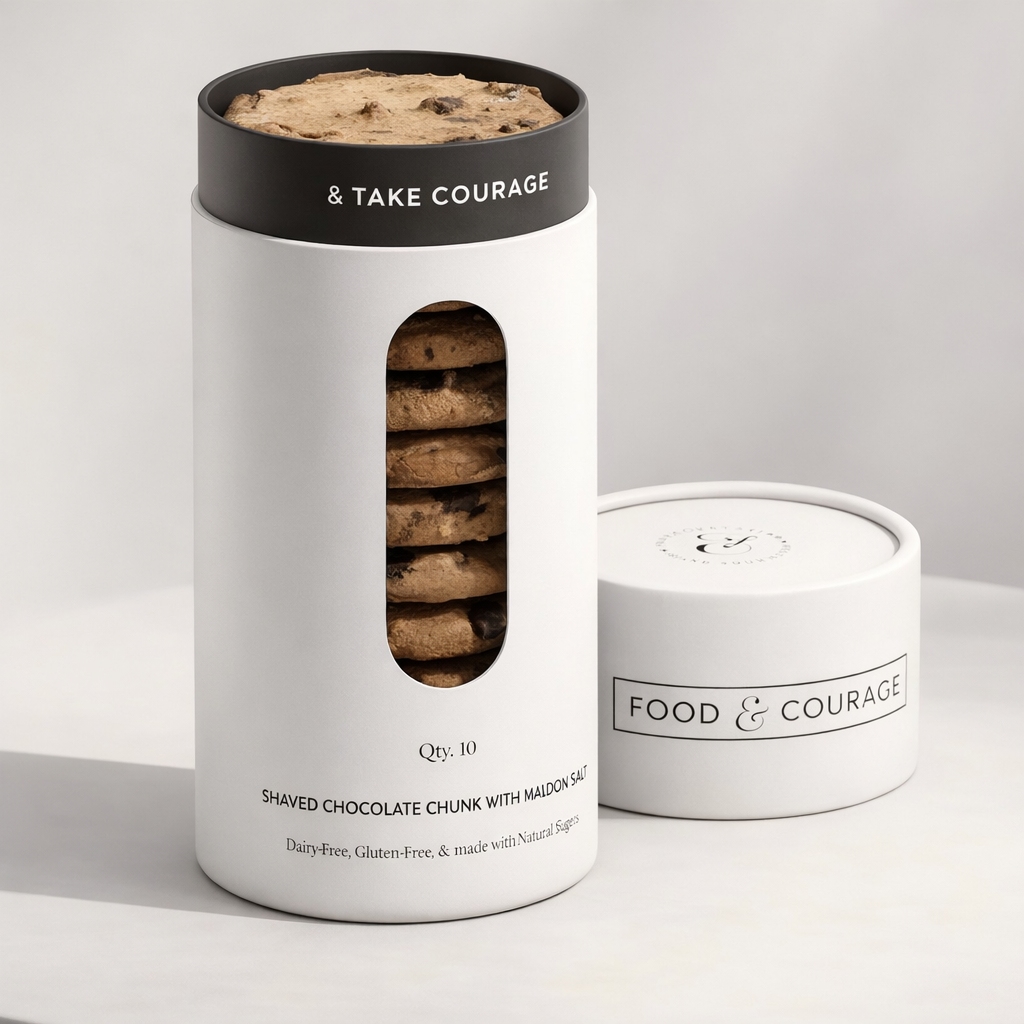
Paper-based packaging is lightweight, affordable, and fully customizable — perfect for brands that care about sustainability and design flexibility. Our Custom Paper Boxes Packaging helps brands create eco-conscious packaging that still feels premium.
2. Plastic
Plastic offers versatility, strength, and excellent protection for moisture-sensitive products. The downside? Environmental impact. Thankfully, innovations like recycled PET and biodegradable plastics are turning things around. Many brands are combining aesthetics with sustainability.
3. Glass
Glass exudes luxury. It’s perfect for cosmetics, perfumes, and beverages. Plus, it’s 100% recyclable and non-reactive. As Cosmetic Packaging Industry notes, glass conveys purity and high value — ideal for premium markets.
4. Metal (Aluminum & Tin)
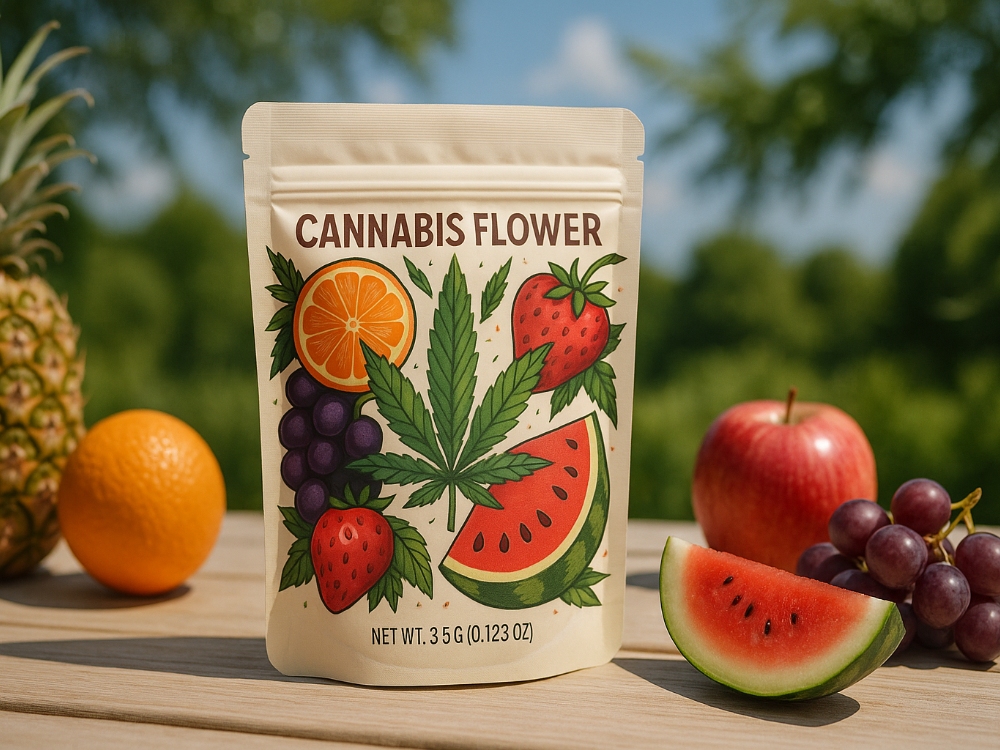
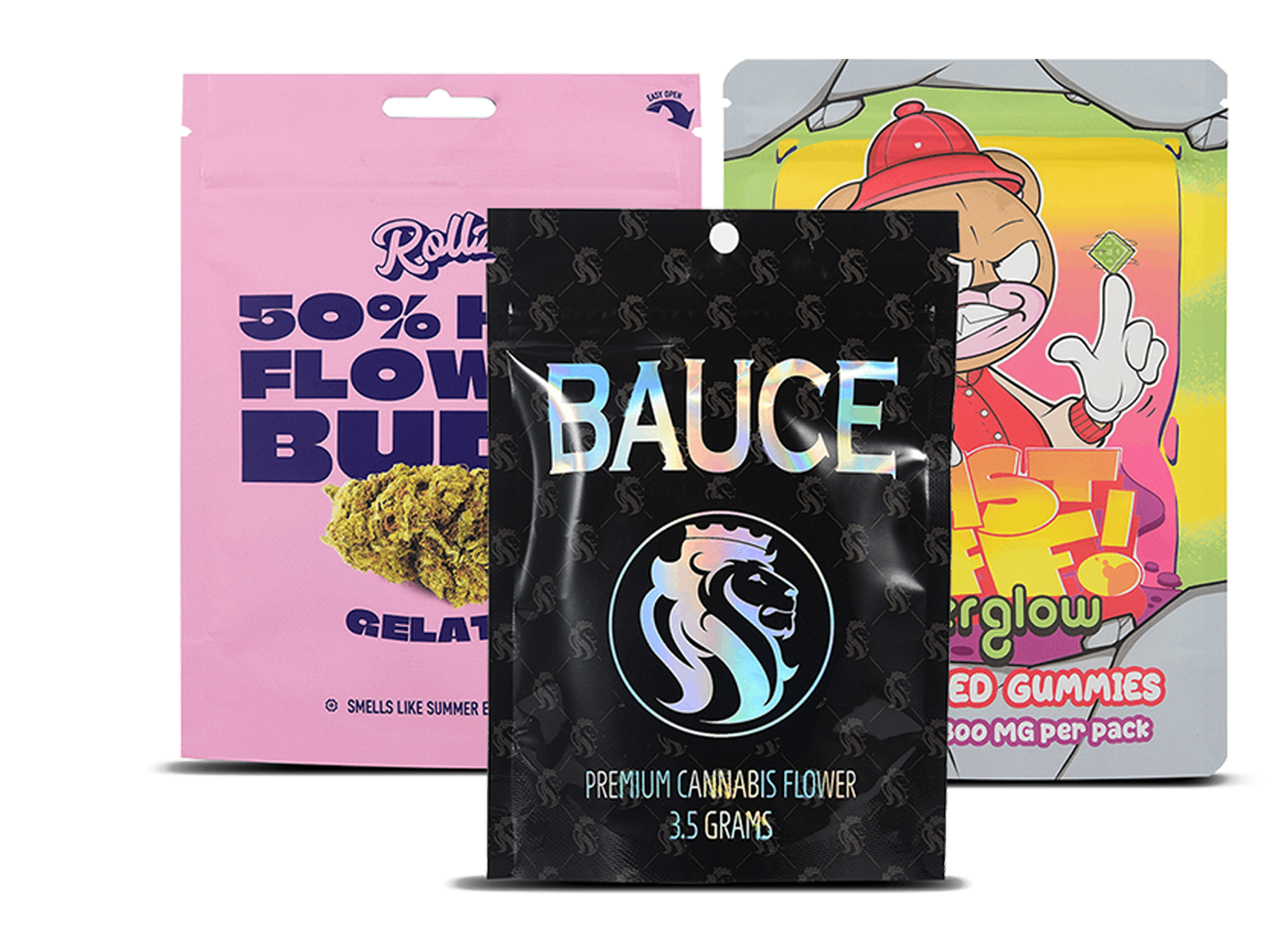
Durable, protective, and sleek — metal packaging adds a premium touch while offering excellent barrier protection. You’ll often find it in luxury skincare or Custom Cannabis Products Packaging, where both appearance and preservation matter.
5. Biodegradable and Compostable Materials
Bioplastics, kraft paper, and bamboo-based materials are gaining traction fast. These sustainable options reduce waste while keeping the same visual appeal as traditional packaging. It’s no wonder that 73% of consumers prefer Eco-friendly Packaging over conventional plastic, according to Packaging Strategies.
Eco-Friendly Packaging Materials
Eco-conscious packaging isn’t a niche anymore — it’s the norm. Sustainable materials like recycled cardboard, soy-based inks, and compostable films are leading the way. They reduce your carbon footprint while resonating with consumers who want brands to care about the planet.
If your product line values natural, ethical production, materials like kraft paper or molded pulp packaging help you tell that story visually and emotionally. Explore our sustainable Packaging Materials to see how design and responsibility can go hand in hand.
How to Choose the Right Material for Your Product
Here’s a quick guide to finding your perfect match:
- Understand your product: Is it fragile, oily, or heat-sensitive?
- Know your audience: Eco-friendly buyers expect recyclable packaging.
- Match your price point: Premium materials suit luxury markets; paper suits budget-friendly products.
- Think long-term: Will your choice help your brand grow sustainably?
Still unsure? Our team at WeJoy Packaging can guide you in choosing the best material to elevate your brand presence — without compromising cost or creativity.
FAQs
1. What is the most eco-friendly packaging material?
Recycled paper, kraft cardboard, and biodegradable bioplastics top the list. These materials are compostable, renewable, and easy to source.
2. What’s best for food packaging?
Food-safe paperboard, glass jars, and PET plastic are most common. For more insights, see this expert guide on packaging materials for food.
3. What’s trending in 2025?
Hybrid designs — combining recycled paper with compostable films — are growing fast. They deliver both strength and sustainability while keeping costs down.
Start your packaging journey today
Partner with us to create packaging that elevates your brand.