

In today’s marketplace, sustainability isn’t just a buzzword — it’s a movement. Consumers are more environmentally conscious than ever, and they expect the brands they support to be just as committed to reducing their ecological footprint. That’s where Eco-friendly Packaging comes in. But what exactly is eco-friendly packaging, and how can it help your brand stand out? Let’s break it down.
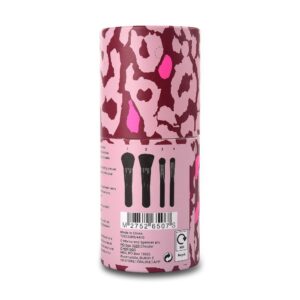
Table of Contents
- What is Eco-friendly Packaging?
- Why Eco-friendly Packaging Matters for Your Brand
- Types of Sustainable Packaging
- How to Implement Green Packaging
- Related Articles
- FAQs
What is Eco-friendly Packaging?
Eco-friendly packaging refers to materials that are designed with sustainability in mind. This can include recyclable, biodegradable, or compostable materials that reduce the environmental impact of packaging waste. The goal is to create packaging that minimizes harm to the planet while still protecting and presenting the product in an attractive way.
At its core, eco-friendly packaging focuses on using renewable, reusable, and biodegradable materials. For example, plant-based plastics, recycled paper, or biodegradable films are all viable alternatives to traditional plastic. Eco-friendly packaging aims to reduce the dependency on single-use plastics and encourage a more sustainable circular economy.
Why Eco-friendly Packaging Matters for Your Brand
Incorporating eco-friendly packaging into your brand strategy can provide numerous benefits. Here’s why it’s essential for modern businesses:
- Attracts Eco-conscious Consumers: More than ever, customers are seeking brands that align with their values. By choosing green packaging, your business signals its commitment to sustainability, which attracts environmentally conscious consumers.
- Boosts Brand Image: Eco-friendly packaging demonstrates a responsible, forward-thinking approach. It shows your audience that your brand is mindful of its environmental impact, which can elevate your brand’s reputation.
- Enhances Customer Loyalty: Customers are increasingly loyal to brands that reflect their values. Offering sustainable packaging strengthens the emotional connection between your customers and your brand.
- Complies with Environmental Regulations: As governments around the world tighten regulations around packaging waste, switching to eco-friendly options ensures that your brand stays compliant with evolving laws.
Types of Sustainable Packaging
There are many different types of sustainable packaging materials available, and choosing the right one depends on your product and business needs. Here are some of the most popular options:
1. Biodegradable Plastics
Made from renewable resources, biodegradable plastics break down naturally over time. These are often used in food packaging and other single-use products.
2. Recycled Paper and Cardboard
Recycled paper and cardboard are highly recyclable and biodegradable. They are some of the most widely used eco-friendly materials for packaging and are a great option for many products.
3. Plant-Based Plastics (PLA)
PLA plastics are derived from plant materials like corn or sugarcane and offer a sustainable alternative to traditional plastics. They are biodegradable and compostable, making them ideal for food packaging.
4. Compostable Packaging
Compostable packaging decomposes into organic matter in a composting environment, making it a perfect choice for single-use packaging like food containers or takeout packaging.
5. Glass and Metal Containers
Glass and metal containers are durable, reusable, and highly recyclable, offering a premium sustainable option for packaging high-end products like cosmetics and beverages.
How to Implement Green Packaging
Transitioning to sustainable packaging requires planning and consideration. Here’s how to get started:
- Evaluate Your Current Packaging: Assess your current packaging materials and identify areas where you can make improvements by switching to more sustainable options.
- Choose the Right Materials: Select the materials that best suit your product and your sustainability goals, whether it’s biodegradable plastics, compostable options, or recycled materials.
- Partner with Eco-friendly Suppliers: Work with suppliers who offer eco-friendly packaging solutions and who share your commitment to sustainability.
- Innovate with Design: Sustainable packaging isn’t just about the materials — it’s also about design. Consider designs that reduce packaging size, improve functionality, and minimize waste.
Related Articles
FAQs
1. What is eco-friendly packaging made of?
Eco-friendly packaging is made from renewable, recyclable, or biodegradable materials such as plant-based plastics, recycled paper, and compostable packaging options.
2. Why should my brand use eco-friendly packaging?
Eco-friendly packaging can enhance your brand image, appeal to eco-conscious consumers, and help your brand comply with sustainability regulations.
3. Is sustainable packaging more expensive than traditional packaging?
While the upfront cost may be higher, sustainable packaging can offer long-term savings through waste reduction, regulatory compliance, and enhanced customer loyalty.
Ready to Switch to Eco-friendly Packaging?
Start building a sustainable future for your brand today. Partner with WeJoy to create eco-friendly packaging solutions that align with your values and attract customers.