

Custom cannabis packaging costs can vary widely—even when two packages look similar in a product photo. The final price depends on the packaging format, size, material, order quantity, printing method, closure, inserts, finishing and shipping plan.
For buyers, the most useful question is not simply, “How much does cannabis packaging cost?” A better question is: What specifications does a supplier need to calculate an accurate and comparable quote?
This guide explains the main cost factors for custom mylar bags, vape boxes, rigid boxes and other cannabis packaging, as well as practical ways to control cost without compromising product protection or presentation.
What Determines Custom Cannabis Packaging Cost?
The price of a custom packaging project normally comes from several connected decisions. Changing one specification can affect material consumption, production speed, setup cost, packing method and freight volume.
The main cost factors include:
- Packaging type and structure
- Finished size
- Material and thickness
- Order quantity and number of designs
- Printing method
- Closures and child-resistant features
- Inserts and internal components
- Surface finishing
- Sampling requirements
- Shipping method and carton volume
Understanding these factors before requesting a quote makes it easier to compare suppliers and avoid unexpected charges later.
1. Packaging Type and Structure
Different packaging formats require different materials, machinery and assembly processes.
Custom Mylar Bags
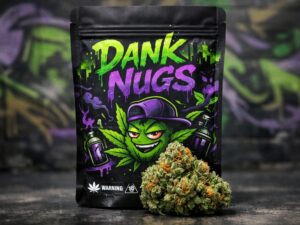
Mylar bags are commonly used for cannabis flower, gummies, edibles and some vape products. Cost depends on:
- Bag width, height and gusset
- Film structure and thickness
- Barrier requirements
- Standard or child-resistant zipper
- Digital or gravure printing
- Number of designs
- Special finishes or windows
A simple flat pouch is usually easier to produce than a stand-up pouch with a bottom gusset, special zipper and multiple material layers.
Vape Cartridge and Disposable Vape Boxes

Vape packaging normally includes a folding carton or rigid box plus an insert. The insert may be made from paperboard, EVA foam, or another suitable material.
The insert often has a major effect on cost because it must fit the cartridge, disposable device, battery or accessories accurately.
Rigid Boxes and Magnetic Boxes
Rigid boxes use thicker greyboard wrapped with printed paper. They provide a premium presentation but require more material and manual assembly than folding cartons.
Cost increases with:
- Larger box dimensions
- Magnetic closures
- Drawer or book-style structures
- Multiple internal layers
- Custom inserts
- Foil stamping, embossing or spot UV
- Additional sleeves or belly bands
2. Materials, Thickness and Barrier Performance
The lowest-cost material is not always the most economical choice. A package that does not protect the product can lead to leakage, odor transfer, moisture problems, damaged goods or rework.
For flexible cannabis packaging, discuss:
- Moisture and oxygen barrier
- Puncture resistance
- Heat-seal performance
- Zipper strength
- Required shelf life
For paper boxes, discuss:
- Paperboard thickness
- Structural strength
- Insert material
- Product weight
Material recommendations should be based on the product and distribution environment, not only appearance.
3. Order Quantity and Number of Designs
Custom packaging has setup costs before mass production begins. These may include structural development, printing setup, plates or cylinders, die-cutting tools and machine adjustments.
When the quantity increases, these setup costs are spread across more units, so the unit price normally decreases.
However, buyers should distinguish between:
- Total order quantity
- Quantity per size
- Quantity per design
For example, an order of 10,000 bags divided across ten designs may be priced differently from 10,000 bags using one design. Each artwork version can require separate setup, proofing and production control.
For many custom paper packaging projects, a typical starting MOQ is around 1,000 pieces per size or design, but the practical MOQ depends on the structure, dimensions, printing and finishing. Mylar bag quantities also vary significantly depending on whether digital or gravure printing is selected.
4. Digital Printing vs. Gravure or Conventional Printing
The printing method should match the quantity and design requirements.
Digital Printing
Digital printing can be suitable for:
- Smaller trial quantities
- Product launches
- Multiple designs
- Frequent artwork changes
- Market testing
It generally avoids conventional printing plate or cylinder costs, but the unit price may be higher at larger volumes.
Gravure or Conventional Production
Gravure printing is commonly used for larger flexible-packaging orders. It can provide efficient high-volume production and consistent color, but it normally requires cylinders and higher setup quantities.
For paper boxes, offset printing is common, while digital printing may be considered for samples or limited runs. Ask the supplier to compare the total project cost—not only the unit price—when deciding between printing methods.
5. Inserts and Product Fit
An insert protects the product and controls its presentation inside the box. Cost depends on:
- Insert material
- Product shape
Provide accurate product dimensions or physical samples whenever possible. For vape devices and accessories, even a small difference in shape or diameter can affect fit and removal.
A well-designed insert should hold the product securely without making it difficult for the customer to remove.
6. Finishing Options
Premium finishes can improve presentation, but using too many processes adds cost and production time.
Common options include:
- Matte or gloss lamination
- Soft-touch lamination
- Spot UV
- Hot foil stamping
- Embossing or debossing
- Metallic or holographic effects
- Die-cut windows
- Textured paper
Choose one or two finishes that support the design rather than applying every available option. A strong structure, good color control and a clear visual hierarchy often create a more professional result than excessive decoration.
7. Sampling and Preproduction Costs
Samples help confirm structure, size, artwork placement, material and product fit before mass production.
Common sample types include:
- Digital printed sample
- Production-standard printed sample
- 3D-printed product model for insert development
Information Needed for an Accurate Quote
Send the following details to your packaging supplier:
- Product type
- Product dimensions and weight
- Preferred packaging format
- Required finished packaging size, if known
- Quantity per size and design
- Material or barrier requirements
- Child-resistant requirements
- Insert requirements
- Printing and finishing preferences
- Artwork status
If some details are not yet available, send the product dimensions, quantity, target market and reference images first. A packaging supplier can then recommend a starting structure.
Plan Your Cannabis Packaging Project
An accurate quote begins with accurate specifications. Share the product type, dimensions, quantity, target market and preferred packaging format to receive practical recommendations for structure, materials, sampling and production.
Explore custom cannabis packaging, custom cannabis mylar bags and cannabis vape packaging from Wejoy Packaging.