
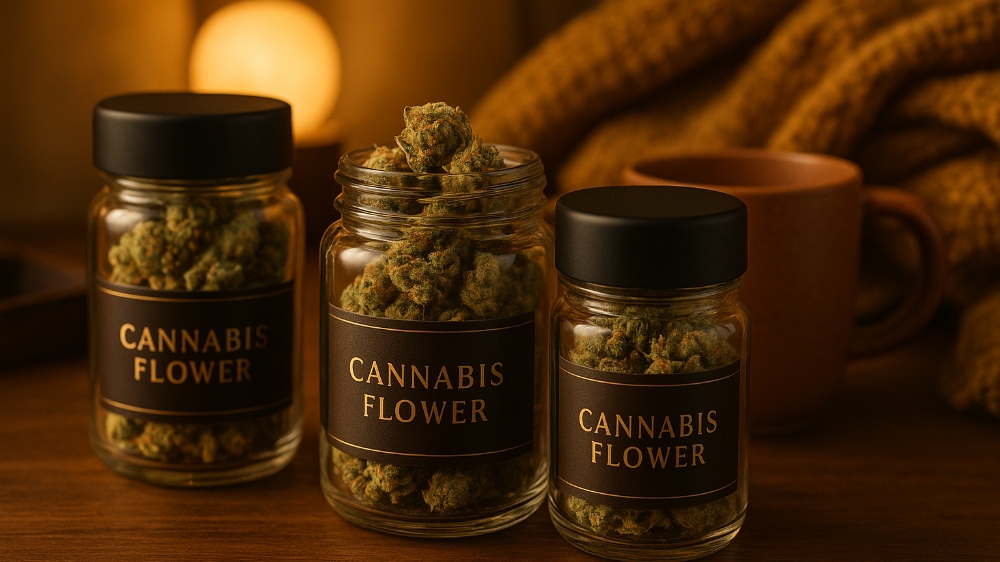
Ever wondered why you reach for one product over another in a crowded aisle? Often, it’s the **packaging colors** that grab your eye first — even before you read a single word. Color is one of the most powerful tools in packaging design, quietly shaping emotions, perceptions, and ultimately, purchase decisions. In this article, we’ll break down exactly how color impacts buying behavior and how smart brands leverage this insight to drive sales.
If you’re interested in how packaging design drives consumer decisions beyond color — like structure and touch — check out our deep dive on How Custom Packaging Enhances Your Brand’s Perception.
Table of Contents
- Why Packaging Color Matters
- Emotional Meaning Behind Colors
- How Color Influences Buyer Decisions
- Strategies for Choosing Effective Packaging Colors
- FAQs
- Conclusion
Why Packaging Color Matters
Color influences consumer psychology in ways we often don’t notice consciously. Studies show that up to 90% of snap judgments about products are based on color alone — before a shopper even reads the label or examines the product itself. :contentReference[oaicite:0]{index=0}
This means that your choice of colors is a silent salesperson: it can attract attention, communicate values, and position your product in the shopper’s mind — all in seconds.
For actionable packaging transformation, learn how packaging solutions combine color with design elements to boost visibility and conversion.
Emotional Meaning Behind Colors
Different colors evoke specific emotions and associations. When used strategically, these can align with both your product category and your brand personality:
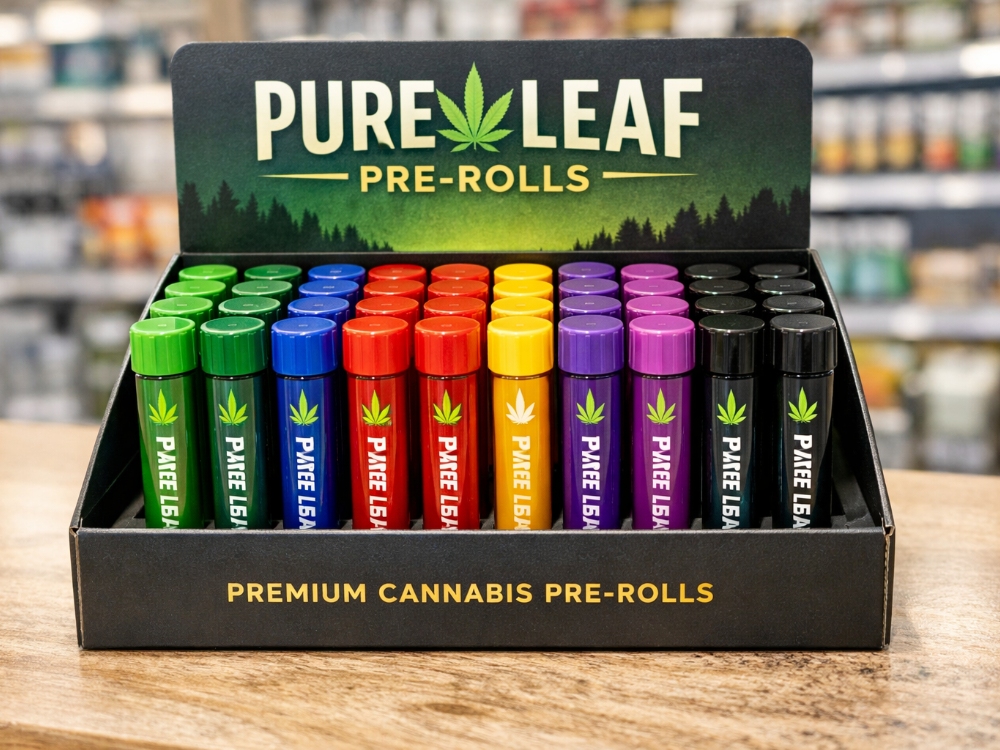
- Red grabs attention and evokes excitement or urgency — perfect for impulse buys and food products. :contentReference[oaicite:1]{index=1}
- Blue builds trust and calm, often seen in tech or health-related categories. :contentReference[oaicite:2]{index=2}
- Green signals health, nature, and sustainability — ideal for eco-friendly brands. :contentReference[oaicite:3]{index=3}
- Yellow conveys optimism and energy, great for cheerful, youth-oriented products. :contentReference[oaicite:4]{index=4}
- Black & Gold express luxury and exclusivity on premium items. :contentReference[oaicite:5]{index=5}
These color associations tap into subconscious cues that help consumers form immediate impressions and expectations about your product. :contentReference[oaicite:6]{index=6}
How Color Influences Buyer Decisions
Color affects buying behavior in a few key ways:
1. Attention & Shelf Impact
Bright and contrasting colors help your product stand out on crowded shelves or online thumbnails. Studies show that eye-catching hues like red and yellow can increase visibility and capture shopper attention quickly. :contentReference[oaicite:7]{index=7}
2. Emotional Connection
Color triggers emotions and mood responses. For instance, cool tones like blue or green can create a sense of calm and trust, while warm tones like red or orange spark excitement or urgency. These emotional cues influence the desirability of a product long before users interact with it. :contentReference[oaicite:8]{index=8}
3. Perceptions of Quality & Value
Packaging colors also affect perceived product quality. Dark, muted palettes often suggest sophistication and premium status, whereas overly bright or mismatched colors might seem cheap or confusing to buyers. :contentReference[oaicite:9]{index=9}
Strategies for Choosing Effective Packaging Colors
Here’s how smart brands use color strategically:
- Know your audience: Align colors with the preferences and cultural context of your target market.
- Match the product personality: Ensure the hues reflect the product’s purpose — e.g., green for natural or sustainable products.
- Maintain consistency: Consistent color usage builds brand recognition, making consumers more likely to remember and choose your product. :contentReference[oaicite:10]{index=10}
- Test & iterate: Use A/B testing online or in-store mockups to see which colors resonate best with your audience.
If you want to elevate your complete packaging experience — from color choice to structure and functionality — explore our Innovative Packaging services.

FAQs
Q1: Can color really affect how much people are willing to pay?
Yes — studies confirm that packaging color can shape perceived value and willingness to pay, especially when it aligns with product expectations. :contentReference[oaicite:11]{index=11}
Q2: Are certain colors better for online vs. in-store packaging?
Bright, high-contrast colors tend to perform well online for visibility, while nuanced, premium tones may work better for in-store luxury goods. Always test in your specific context.
Q3: Should brands stick to color trends?
Trends can help, but consistency and alignment with your brand message are far more important for long-term recognition and loyalty.
Conclusion
Packaging colors aren’t just aesthetic choices — they’re strategic tools that influence buying behavior at every stage of the shopper journey. From grabbing attention to shaping emotional responses and reinforcing brand identity, the right colors can make a tangible difference in your sales performance. By understanding the psychology behind colors and applying it thoughtfully, you can turn simple packaging into a powerful driver of consumer connection and brand growth.


 English
 Français
 Deutsch