
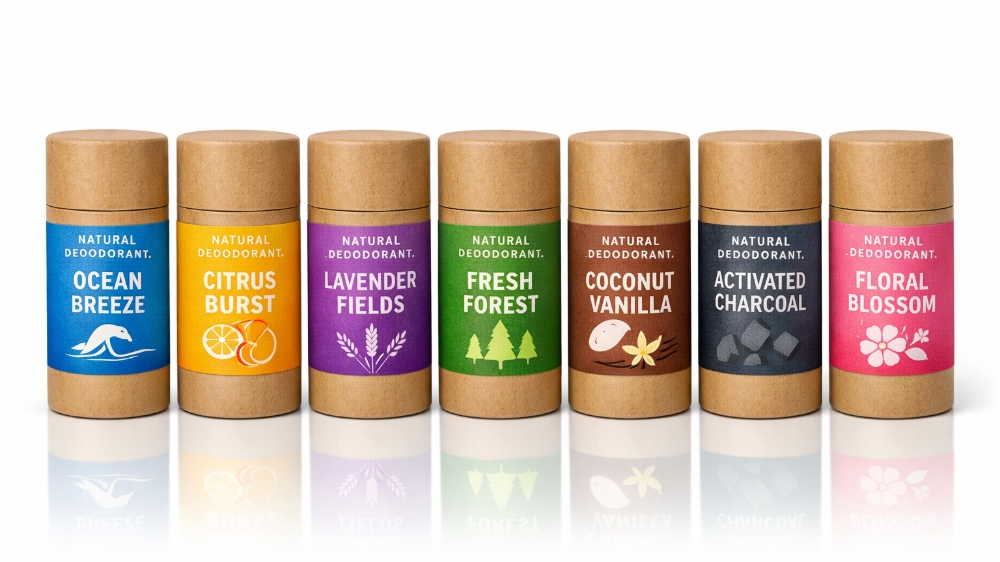
When deciding between Paper vs Mylar, brands often find themselves at a crossroads of sustainability and performance. Choosing the right packaging materials is like choosing a suit of armor for your product—it needs to look professional while providing maximum protection. At WeJoy Packaging, we help businesses navigate this Paper vs Mylar debate to ensure their products stay fresh and their branding stays sharp.
What We’ll Cover:
Paper Packaging: Why the Paper vs Mylar Choice Matters
If your brand identity is built on organic values, paper is often the first choice. Kraft paper tubes offer a tactile, premium feel that plastic simply cannot replicate. In the Paper vs Mylar comparison, paper wins on “curb appeal” and biodegradability.
However, paper alone lacks barrier properties. To keep products fresh, we often suggest adding a specialized lining. This is a strategy we detail in our seasonal packaging ideas, where we show how to blend aesthetics with functionality.
Mylar Bags: When Protection is Non-Negotiable
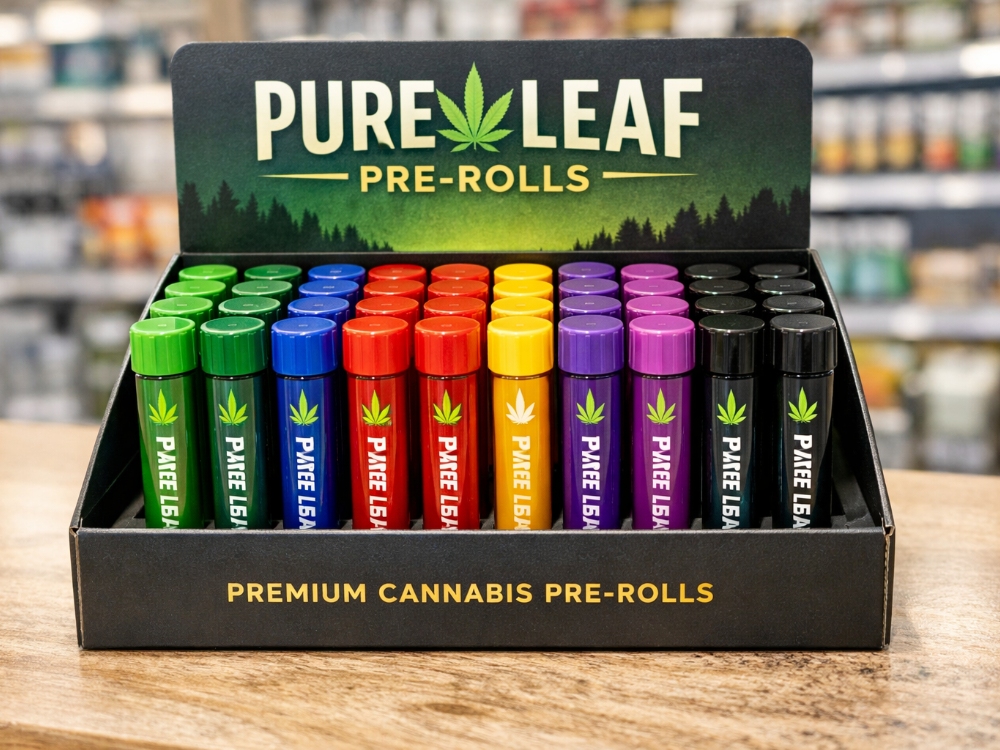
For products sensitive to light, oxygen, or moisture, the Paper vs Mylar contest has a clear winner. Mylar (BoPET) provides an airtight seal that is light-years ahead of standard plastic. This is why the science of smell-proof packaging relies almost exclusively on Mylar technology.
According to the Packaging Materials Guide, Mylar is the preferred choice for long-term food and cannabis storage due to its near-zero gas permeability. If shelf life is your priority, Mylar is the material to beat.
Side-by-Side: Paper vs Mylar vs Plastic
To help you make an informed packaging materials decision, let’s look at the data. While plastic is cheap, it lacks the eco-prestige of paper and the barrier strength of Mylar.
| Metric | Paper Tubes | Mylar Bags |
|---|---|---|
| Sustainability | Excellent (Compostable) | Moderate (Recyclable) |
| Odor Control | Low (Unless Lined) | Excellent (Hermetic) |
The ROI of Sustainable Packaging Materials
Sustainability isn’t just about the planet—it’s about the bottom line. Consumers are willing to pay a premium for brands that minimize the environmental impact of packaging. As highlighted by the EPA Eco Packaging Data, reducing plastic waste is now a top priority for global regulators.
FAQs: Common Packaging Material Questions
Q: Is Paper vs Mylar the only choice for eco-brands?
Not at all. You can also look into compostable films, but currently, Paper vs Mylar remains the most cost-effective balance for most growing businesses.
Q: Can Mylar bags be child-resistant?
Yes. We offer specialized child-resistant packaging solutions for Mylar formats, ensuring you stay compliant while maintaining that elite barrier.

Summary: The Right Material for the Right Brand
Whether you land on paper vs Mylar, the key is consistency. Your packaging must reflect the quality inside the box. Ready to see the difference in person? WeJoy Packaging offers sample kits so you can touch, feel, and test these materials before committing.
For high-end fashion like Abaya branding, the choice between a rigid paper tube for store presentation and a Mylar bag for safe international shipping is crucial.
Still Deciding Between Paper vs Mylar?
Get a personalized material audit and a free sample kit today.


 English
 Français
 Deutsch