
- Introduction: Why Custom Packaging Design Matters
- Key Stages in the Custom Packaging Design & Packaging Process
- Pro Tips to Nail Your Custom Packaging Design
- Ready to Get Started?
- FAQ: Your Common Questions Answered
- Conclusion: Bring Your Packaging Vision to Life
Introduction: Why Custom Packaging Design Matters
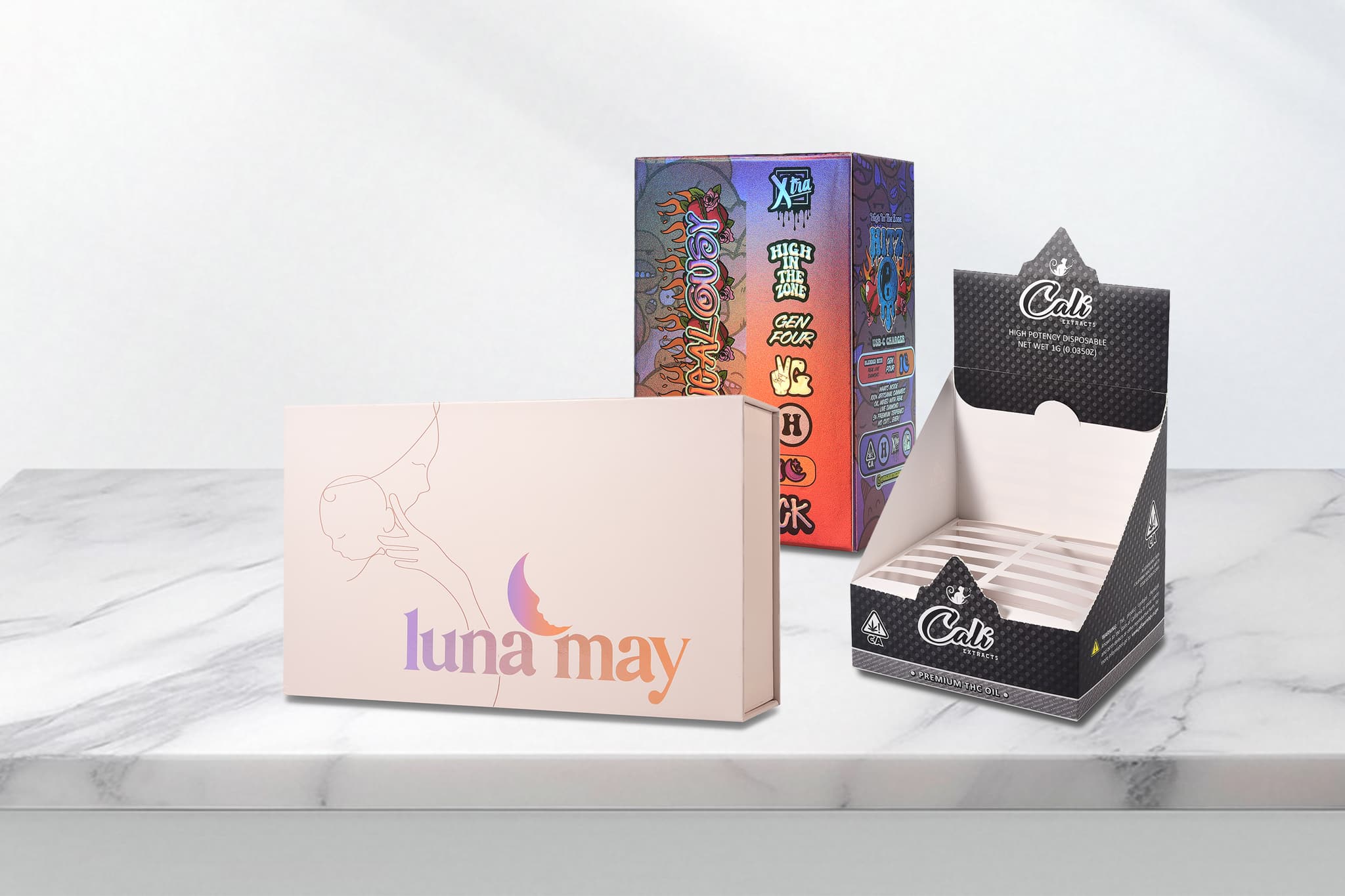
If you’ve ever walked down an aisle, picked up a product and thought “Wow — that packaging got me,” you know the power of design. In today’s crowded marketplace, great packaging isn’t just a nice-to-have—it’s a game-changer. In this article, we’ll explore Custom Packaging Design, diving into the full Packaging Process so you can understand exactly what it takes to bring your product to life with packaging that sells.
Whether you’re launching gummies in the cannabis sector, skincare tubs, or premium supplements, your packaging is the very first handshake with your customer. Let’s make it memorable.
Key Stages in the Custom Packaging Design & Packaging Process
1. Concept & Brief
Every project starts with a spark: you define what your brand is about, who your audience is, and what story you want your packaging to tell. This is the moment you decide: is it sleek luxury? Eco-friendly modern? Bold and colorful? That vision steers the entire Packaging Design Steps.
2. Material & Structure Selection
Once the idea is clear, you move into the nitty-gritty: selecting materials (paperboard, tin, mylar, glass) and structural formats (tube, box, bag). These decisions are more than aesthetic—they impact cost, logistics, shelf presence, and the whole packaging lifespan. For example, choosing an exotic finish may wow the customer but complicate manufacturing or shipping. According to Packaging Digest, material selection plays a crucial role in ensuring both cost-effectiveness and sustainability in packaging solutions.
3. Graphic Design & Branding
Now you’re dressing your package: typography, color palette, imagery, brand logo placement, sustainability icons. This is where story meets shelf. Experts in cosmetic packaging highlight how strong visual cues influence purchase decisions. According to Cosmetic Packaging Industry, visual appeal can boost a product’s shelf presence by up to 30%, making it crucial to get right.
4. Prototype & Testing
A beautiful design on screen is great—but can it stand up to real life? That’s where prototypes come in. You test usability, printing accuracy, material performance, even how it travels or shelves. This is critical before a full-scale production run. Many leading packaging designers agree that prototyping ensures the final product performs as intended in real-world conditions.
5. Manufacturing & Quality Control
This is where design becomes reality. The actual production process involves printing, die-cutting, lamination, assembly, finishing—and then rigorous quality control so your packaging does its job: protect, present, persuade. Ensuring the final product aligns with the prototype and performs well is essential before shipping to customers.
6. Launch & Feedback Loop
You ship, customers buy, you watch how it performs: Are people noticing the packaging? Is it holding up in transit? Does it communicate brand values? Based on feedback, you refine and evolve. This wraps the loop of the packaging process and sets you up for your next iteration.
Pro Tips to Nail Your Custom Packaging Design
- Think shelf + scroll: Your packaging must pop both in-store and in a tiny online thumbnail.
- Anchor your design to function first: No matter how stunning, it has to protect the product and work in real-world logistics (see manufacturing & transport steps).
- Tell a story: Use materials and finishes to reflect your brand values (eco, premium, playful). Visual cues build emotional connection.
- Link to trusted partners: When you partner with a skilled packaging manufacturer, you gain technical expertise plus peace of mind.
- Plan for measurement: Track metrics like shelf visibility, damage rate, consumer engagement. Refinement comes from data.
Ready to Get Started?
Start Your Packaging Journey Today
Partner with us to create packaging that elevates your brand.
FAQ: Your Common Questions Answered
- Q: What exactly is “custom packaging design”?
- A: It’s the full process of creating packaging uniquely tailored to your brand—covering structure, materials, graphics, and manufacturing.
- Q: How long does the packaging process take?
- A: That depends on complexity—simple designs can roll in weeks; full luxury + prototyping may take months.
- Q: Can I use standard off-the-shelf packaging?
- A: Sure—but custom gives you competitive distinction, better branding impact and often better fit + lower waste. Partnering with a skilled packaging manufacturer unlocks that.
- Q: How does design differ for different industries (like cosmetics vs cannabis)?
- A: While core steps remain the same, industry-specific regulations, consumer expectations and retail settings vary. For instance, cosmetic packaging often emphasizes luxury finish and sustainability. According to The Institute of Packaging Professionals (IoPP), specific packaging guidelines are in place to ensure the highest quality standards across industries.
Conclusion: Bring Your Packaging Vision to Life
Great packaging design isn’t accidental—it’s the result of a well-executed Packaging Process that aligns your brand, product, and audience. By following the key Packaging Design Steps outlined above, you’ll move from idea to shelf-ready design with confidence.
Remember: your packaging does more than house your product—it speaks for your brand, builds trust, and becomes part of the consumer experience. Ready to make that impact? Visit WeJoy Packaging and let’s get started on your next packaging breakthrough.


 English
 Français
 Deutsch