

When it comes to product safety — especially in industries like cannabis, pharmaceuticals, and household chemicals — Child-Resistant Packaging isn’t just a nice-to-have. It’s a legal and moral responsibility. As more states regulate cannabis and other age-restricted products, brands must prioritize packaging that protects both consumers and families.
But what exactly makes packaging “child-resistant,” and why does it matter for your business? Let’s break it down in a way that’s simple, practical, and crucial for anyone navigating today’s Packaging Safety standards.

Table of Contents
- What Is Child-Resistant Packaging?
- Why Child-Resistant Packaging Matters
- Understanding Packaging Regulations
- Designing Safe and Compliant Cannabis Packaging
- FAQs
- Conclusion
What Is Child-Resistant Packaging?
Child-Resistant Packaging (often abbreviated as CR packaging) refers to containers designed to be difficult for children under five years old to open, yet easy for adults to use. The concept was first introduced by the Poison Prevention Packaging Act (PPPA) of 1970 to reduce accidental poisonings caused by medications and toxic substances.
Today, CR packaging extends far beyond pharmaceuticals. It’s now essential for industries like cannabis packaging, where safety and compliance are critical. Whether you sell pre-rolls, edibles, or concentrates, your packaging must meet specific safety standards.
Why Child-Resistant Packaging Matters
Think of it as a seatbelt for your product — you hope it’s never truly “tested,” but it’s there to save lives. In the cannabis industry, where products often resemble candies or beverages, proper Child-Resistant Packaging prevents accidental ingestion by children and ensures your brand operates responsibly.
Beyond safety, it builds trust. Consumers are increasingly aware of brand perception — they want companies that care about well-being, not just profits. Packaging innovation that protects families reflects strong ethics and reliability, boosting brand loyalty.
In fact, according to the Cannabis Packaging Regulations outlined by industry authorities, non-compliance can lead to hefty fines and product recalls. It’s not just good practice — it’s good business.
Understanding Packaging Regulations
Each region has specific Packaging Regulations for cannabis and controlled products. In the U.S., for instance, the Consumer Product Safety Commission (CPSC) mandates testing and certification for child-resistant designs. States like California, Colorado, and New York also have their own cannabis packaging standards covering labeling, resealability, and opacity.
Internationally, countries such as Canada and the UK follow similar principles. If you’re exporting or selling across borders, compliance becomes even more critical. Non-compliant packaging can halt shipments or revoke licenses — something no growing brand wants.
Need a deeper dive into compliance? Read our full breakdown on Packaging Safety for cannabis products.
Designing Safe and Compliant Cannabis Packaging
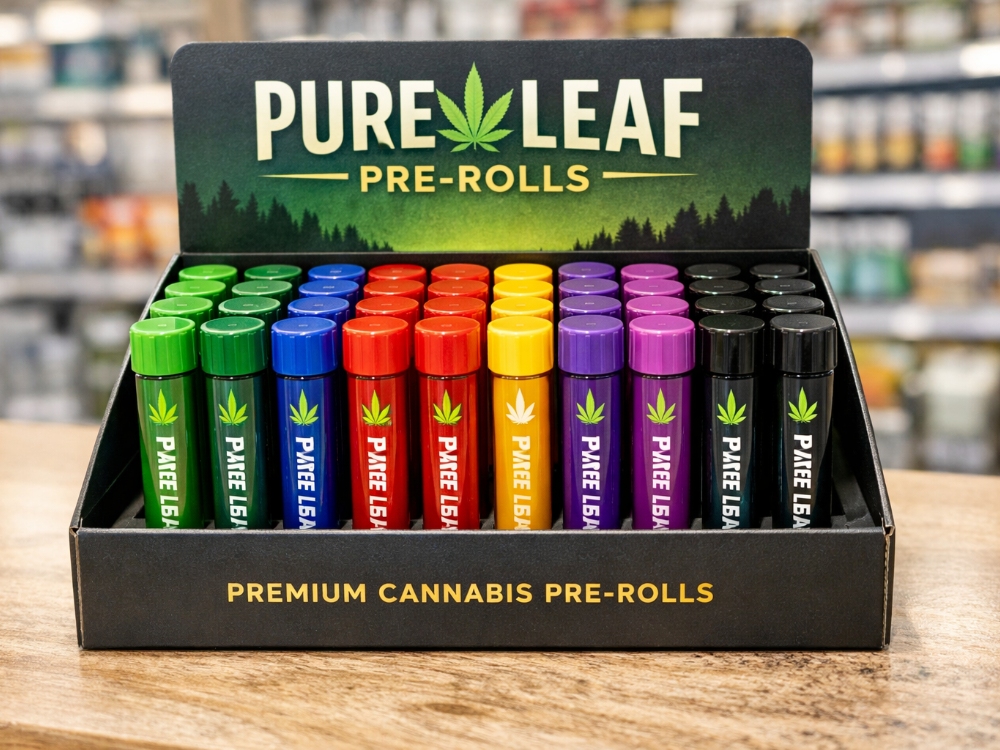
Safety doesn’t mean sacrificing style. The best Child-Resistant Packaging combines security with creativity — ensuring compliance without compromising your brand aesthetic. Think sleek, lockable tins, push-and-turn jars, or resealable pouches that still look premium on shelves.
Working with experienced packaging partners helps you strike that balance. At WeJoy Packaging, we specialize in creating compliant and visually stunning solutions for cannabis brands of all sizes.
Need inspiration? The experts at Packaging Digest’s Pre-Roll Packaging showcase highlight how innovation and safety can coexist beautifully.
FAQs
Q1: What testing is required for child-resistant packaging?
Packaging must pass certified child panel testing — typically involving a group of children aged 42–51 months who attempt to open the packaging within a set time frame.
Q2: Does every cannabis product require CR packaging?
In most states, yes. Edibles, concentrates, and even some topicals must be sold in child-resistant containers.
Q3: Can sustainable materials be used for child-resistant packaging?
Absolutely. Brands are now adopting eco-friendly CR designs — merging sustainability with safety to meet consumer demand and regulatory standards.

Conclusion
Child-Resistant Packaging is more than just a compliance requirement — it’s a reflection of your brand’s commitment to safety, responsibility, and trust. As Packaging Safety evolves with stricter laws and smarter materials, now’s the time to ensure your packaging meets both regulatory and ethical expectations.
Protecting consumers protects your brand. Let your packaging speak volumes about your values — because safety never goes out of style.
External Resources


 English
 Français
 Deutsch