

Ever opened a product and found it stale before its expiration date? Chances are, the packaging wasn’t doing its job. The right Packaging Materials are more than just containers — they’re protectors, preserving freshness, flavor, and quality. In this article, we’ll explore how materials impact Shelf Life and what your brand can do to make smarter, longer-lasting choices.
Table of Contents
- Why Packaging Materials Matter for Shelf Life
- Common Packaging Materials and Their Durability
- Barrier Protection: The Secret to Longer Shelf Life
- Sustainable Packaging That Preserves Quality
- Related Guides
- FAQs
Why Packaging Materials Matter for Shelf Life
Packaging plays a critical role in protecting products from air, moisture, light, and contamination — all major enemies of shelf stability. A bag of chips goes stale fast without a proper barrier. Cosmetics lose their potency. Even dry goods can spoil if the packaging is porous or low-quality.
As Packaging Digest explains, selecting the right material is a balancing act between protection, cost, and sustainability. The wrong choice can shorten shelf life and damage your brand’s reputation.
Common Packaging Materials and Their Durability
1. Paper and Cardboard
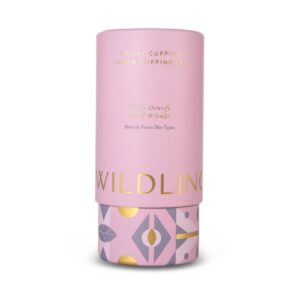
Paper-based materials are lightweight and recyclable, but not ideal for moisture-heavy environments unless coated or laminated. Still, they’re perfect for dry goods, luxury items, or eco-conscious brands. Our Paper Tubes Packaging line combines durability with sustainability — offering strength without sacrificing style.
2. Plastic
Plastic dominates food and cosmetic packaging for a reason — it offers excellent moisture and oxygen resistance. But not all plastics are equal. Choosing the right resin or coating can make or break your Shelf Life goals.
3. Metal and Glass
Metal tins and glass jars provide unmatched durability and barrier protection. They’re perfect for products that require airtight sealing, like coffee, skincare, or cannabis goods. However, they come with higher costs and heavier shipping weights.
Barrier Protection: The Secret to Longer Shelf Life
Barrier strength is the most important factor in determining how long your product lasts. The right Packaging Materials keep out oxygen, light, and moisture — the three culprits behind spoilage.
Modern brands often use multi-layered packaging, combining paper, foil, and bioplastics for optimized protection. As noted by Food Packaging Forum, barrier coatings and vacuum sealing can significantly extend product freshness while maintaining recyclability.
Sustainable Packaging That Preserves Quality
Eco-friendly doesn’t have to mean fragile. Advances in Sustainable Packaging have led to biodegradable films and plant-based resins that rival traditional plastic in durability. These materials not only protect your product but also your brand’s reputation in an increasingly eco-aware market.
At WeJoy Packaging, we design Cost-effective Packaging solutions that extend product life without compromising environmental goals. It’s the perfect blend of science, design, and sustainability.
Related Guides
- The Benefits of Using Paper Tubes for Packaging
- Packaging Materials Guide: Which One Is Right for Your Product?
- How to Reduce Packaging Costs While Maintaining Quality
FAQs
1. How do packaging materials extend shelf life?
They protect products from oxygen, moisture, and light — three main causes of spoilage. The right barrier layer can add months to a product’s shelf life.
2. Which packaging materials are best for food?
Multi-layer plastics, foil laminates, and coated papers perform best. Learn more from Packaging Materials for Food experts.
3. Can sustainable packaging last as long as traditional options?
Yes! New innovations in Sustainable Packaging offer the same protection as plastics, with added eco benefits.
Start your packaging journey today
Want packaging that protects your products and the planet? Partner with WeJoy to design durable, sustainable packaging that lasts.