

How to Choose Cannabis Packaging: A Practical Buyer’s Guide
The right cannabis packaging must do more than look attractive. It needs to fit the product, protect it during storage and shipping, support required labels and work reliably during filling and daily use.
This guide gives buyers a clear process for choosing bags, boxes and other custom packaging without overlooking important production details.

1. Start With a Clear Product Brief
Do not begin with a package catalogue. First give us the information needed to recommend a suitable structure:
- Product type: Gummy, flower, pre-roll, edible, concentrate, topical or vape product
- Product dimensions, weight and number of units per pack
- Whether the product directly contacts the packaging
- Filling and sealing method
- Destination market
- Order quantity and required delivery date
2. Match the Format to the Product
Flower and gummies

Custom cannabis mylar bags are lightweight, printable and available with different barriers and closures. Check:
- Zipper type
- Gusset depth
- Dimensions of the bag.
- Heat-seal space above the zipper
- Space for labels and variable information
Pre-rolls
Pre-rolls may use tubes, tins, folding cartons, rigid boxes or mylar bags. Base the structure on the pre-roll length, diameter and pack quantity. If a tray is used, confirm that it prevents movement but still allows easy removal.
Vape cartridges and disposable devices
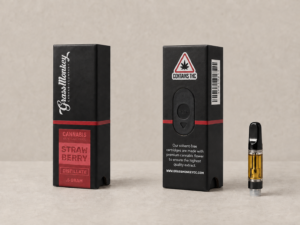
Cannabis vape packaging should protect the mouthpiece, connector and other delicate parts. Common choices include folding cartons, drawer boxes and boxes with paperboard and foam inserts.
3. Plan the Label Before the Artwork
Reserve space for required information before developing the design.
Before approving the artwork, check:
- Printable area after zippers, seals, and glue zones
- Barcode and QR-code scanning area
- Whether information crosses a fold or curved surface
4. Choose the Right Printing Method
Digital printing
Digital printing is often useful for lower quantities, early launches and multiple designs. It offers flexibility without a large initial plate fee investment.
Gravure printing
Gravure can be suitable for larger repeat orders with stable artwork. It normally requires plate fees on the first order, but repeat-order unit costs should be lower.
Compare the total first-order cost and expected reorder volume—not only the quoted unit price.
Finishes such as matte, gloss, soft-touch, foil stamping and spot UV can improve presentation.
5. Approve a Physical Sample
A physical sample helps identify expensive mistakes before mass production. Test it with the real product and review:
- Internal fit and product removal
- Zipper, lock or closure operation
- Heat-seal area and sealing method
- Label space and final text size
- Barcode scanning
- Print colour and surface finish
Record the approved dimensions, materials, artwork version and finish. If the structure changes after approval, decide whether another sample or compliance review is needed.