

Plastic has long been widely used in product packaging because it is lightweight, moisture-resistant, and relatively inexpensive. However, more brands are now exploring paper packaging as customers, retailers, and regulators pay closer attention to waste, recyclability, and responsible material choices.
The right decision is not simply “paper is good and plastic is bad.” Each material has different strengths. The best option depends on your product, required protection, shipping conditions, branding goals, and local recycling infrastructure.
This guide compares paper packaging vs plastic across sustainability, cost, performance, customization, and brand value so you can choose the right solution for your product.
The Advantages of Using Paper Packaging Over Plastic
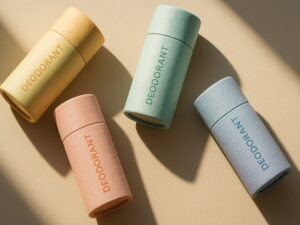
Table of Contents
- Why Brands Are Switching to Paper Packaging
- Environmental Benefits and Limitations
- Paper Packaging vs Plastic
- Cost and Practical Considerations
- Branding and Customization
- Innovation in Paper Packaging
- FAQs
- Explore Custom Paper Packaging
1.Why Brands Are Switching to Paper Packaging
Packaging is often the first physical interaction a customer has with a product. It protects the item, communicates product information, and shapes the customer’s perception of the brand.
Paper-based packaging is increasingly popular because it can offer a natural appearance, strong printable surfaces, and a more familiar recycling pathway than many mixed plastic structures. It can also help brands reduce unnecessary plastic when the product does not require the moisture barrier, flexibility, or lightweight performance that plastic provides.
Common paper-based formats include:
- Folding cartons
- Rigid paper boxes
- Corrugated shipping boxes
- Paper tubes
- Paper bags
- Molded paper inserts
- Paper sleeves and wraps
At WeJoy Packaging, we develop custom paper packaging around the product’s dimensions, protection requirements, branding, order quantity, and target market.
2. Environmental Benefits and Limitations
One important advantage of paper packaging is that many paper formats can be collected and recycled through established waste-management systems. Paper fibers may also come from renewable sources when they are sourced responsibly.
However, environmental performance depends on more than the base material.
Coatings, laminations, adhesives, windows, metallic finishes, and mixed-material components can affect whether a package is easy to recycle. Heavy packaging may also require more material and increase transportation weight.
For this reason, sustainable packaging design should consider the complete structure:
- The amount of material used
- Whether the materials can be separated
- The source of the paper
- The type of coating or lamination
- Product protection requirements
- Transportation efficiency
- Local recycling facilities
- The likelihood of reuse
Brands may also consider FSC-certified paper, recycled-content paper, reduced-plastic structures, and water-based or lower-impact printing options when these materials are suitable for the product and available for the project.
For a broader overview, read our guide to the environmental impact of packaging.
3. Paper Packaging vs Plastic: Key Differences
Sustainability
Paper is commonly associated with renewable resources and established recycling systems. Plastic may provide excellent performance with less material, but some plastic formats are difficult to collect or recycle, especially when several materials are combined.
The more sustainable choice depends on the complete package rather than the material name alone.
Moisture and Barrier Protection
Plastic generally offers stronger moisture, grease, and oxygen barriers without additional treatment. Paper packaging may require a liner, coating, foil layer, or inner bag when used for food, cosmetics, powders, or moisture-sensitive products.
Strength and Product Protection
Well-designed paperboard, corrugated board, rigid boxes, and paper tubes can provide excellent compression strength and presentation. Plastic may be more suitable when the package needs flexibility, puncture resistance, or direct exposure to moisture.
Weight
Some plastic packaging is lighter than an equivalent paper structure. However, paper structures may offer better rigidity and stacking strength for certain products.
Branding
Paper provides an excellent surface for printing, embossing, foil stamping, textures, and specialty finishes. This makes it particularly suitable for premium retail packaging and gift presentation.
Customer Experience
Customers often associate paper packaging with craftsmanship, quality, and a more natural presentation. A well-designed paper box or tube can also provide a more memorable unboxing experience.
Cost and Practical Considerations
Paper packaging is not automatically more or less expensive than plastic. The final cost depends on:
- Packaging dimensions
- Material thickness
- Box or tube structure
- Printing method
- Surface finishing
- Insert requirements
- Order quantity
- Assembly method
- Shipping volume
A simple folding carton may be economical at scale, while a handmade rigid box with custom inserts and specialty finishing will cost more. Similarly, a basic plastic pouch and a multilayer high-barrier pouch have very different cost structures.
Brands should evaluate total value rather than unit price alone. Packaging that reduces product damage, improves shelf presentation, supports efficient packing, or increases perceived value may provide a better overall return.
Before requesting a quotation, prepare the product dimensions, weight, expected order quantity, artwork, shipping requirements, and preferred materials. This helps the manufacturer recommend an appropriate structure without adding unnecessary material or cost.
4.How Paper Packaging Strengthens Brand Image
Paper packaging offers significant creative flexibility. Brands can choose from different paper colors, textures, structures, and finishing techniques to create a distinctive presentation.
Popular customization options include:
- Full-color printing
- Pantone color matching
- Embossing and debossing
- Hot foil stamping
- Spot UV
- Matte or gloss lamination
- Soft-touch finishing
- Custom inserts
- Die-cut windows
- Printed interior panels
A custom paper box can provide detailed product information and strong shelf visibility, while custom paper tubes can create a distinctive cylindrical unboxing experience.
For regulated or specialty products, paper components can also be combined with protective inserts or child-resistant structures. Explore our custom cannabis packaging for examples of product-specific packaging formats.

5. Innovation in Paper Packaging
Modern paper packaging is no longer limited to plain cartons.
Structural design, reinforced paperboard, molded fiber, precision-cut inserts, and improved coating technologies have expanded the range of products that paper packaging can support. Paper structures are now widely used for cosmetics, food, supplements, electronics, candles, apparel, cannabis products, and premium gifts.
The most effective innovations are not always the most complicated. A smaller box, removable insert, simplified material combination, or more efficient shipping structure may improve both performance and sustainability.
Smart packaging features can also be incorporated through printed QR codes, batch information, usage instructions, authentication links, and digital product experiences.
The Advantages of Using Paper Packaging Over Plastic
FAQs About Paper Packaging
Is paper packaging always better than plastic?
No. Paper can offer renewable material options and familiar recycling pathways, but the best choice depends on the product, packaging weight, coatings, transportation, and available recycling systems.
Can paper packaging protect moisture-sensitive products?
Yes, but it may require an appropriate liner, coating, inner pouch, or barrier layer. The structure should be tested with the actual product before mass production.
Is paper packaging suitable for premium products?
Yes. Rigid boxes, paper tubes, specialty papers, custom inserts, embossing, and foil stamping can create a premium appearance and unboxing experience.
Does paper packaging cost more?
It depends on the structure, materials, printing, finishing, and order quantity. A simple paper carton can be economical, while a premium handmade rigid box will have a higher cost.
Can paper packaging be customized for different product sizes?
Yes. Paper boxes, tubes, bags, sleeves, and inserts can be developed around the product’s dimensions and protection requirements.
Explore Custom Paper Packaging
Choosing between paper and plastic requires a balance of product protection, cost, sustainability, and brand presentation. Paper packaging can be an excellent option when it is designed around the actual needs of the product rather than selected for appearance alone.
WeJoy Packaging develops custom paper boxes, paper tubes, inserts, and specialty packaging for growing brands. Our team can help evaluate the structure, materials, printing, finishing, sampling, and production requirements for your project.