

What makes a product stand out before a customer opens it? The answer is often its packaging. Shape, color, material and structure all influence how a product is protected, displayed and perceived.
Custom packaging is developed around a specific product and brand rather than selected from a limited range of standard sizes. Done well, it creates a better product fit, supports consistent branding and improves the customer experience. This guide explains what custom packaging is, how it differs from stock packaging and what businesses should consider before starting a project.
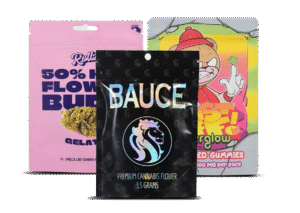
Table of Contents
What Is Custom Packaging?
Custom packaging is packaging developed to meet the dimensions, protection needs, visual identity and distribution requirements of a particular product.
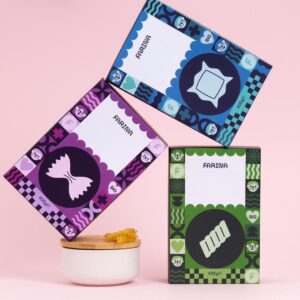
Instead of placing a product inside a standard box that may be too large or poorly fitted, brands can customize the structure, materials, printing and internal support. This may include a printed folding carton, rigid gift box, cylindrical paper tube, flexible pouch or industry-specific package.
The purpose is not simply to make the package look different. Effective custom packaging should:
- Fit and protect the product
- Communicate essential product information
- Support storage and transportation
- Reflect the brand’s visual identity
- Provide a convenient opening and use experience
- Meet relevant market and labeling requirements
Custom Packaging vs. Stock Packaging
Stock packaging uses standard sizes, structures and materials that are already available. It can be useful for early product testing, very small quantities or projects that require minimal customization.
Custom packaging is developed for a specific product. It usually provides more control over dimensions, protection, printing and presentation.
The main differences include:
- Product fit: Custom dimensions can reduce unnecessary space and movement.
- Branding: Colors, graphics and finishes can follow a consistent identity.
- Protection: Inserts and structural features can be designed around the product.
- Ordering process: Custom production normally requires artwork, sampling and approval.
- Minimum quantity: Custom packaging commonly has production MOQ requirements.
- Cost: Pricing varies according to materials, dimensions, quantity and finishing.
Stock packaging may be sufficient for initial market testing, while custom packaging is often more suitable for established products that require stronger protection and differentiation.
What Can Be Customized?
A custom packaging project may include several connected decisions.
Size and Structure
The length, width, height, diameter, opening method and internal layout can be adjusted according to the product.
Materials
Options may include paperboard, rigid greyboard, kraft paper, corrugated board, paper tubes, flexible films and different insert materials. The appropriate choice depends on product weight, fragility, required barrier performance and intended market.
Printing and Finishes
Brand artwork can be applied using CMYK or Pantone printing. Finishing options may include matte or gloss lamination, soft-touch film, foil stamping, embossing, debossing and spot UV.
Inserts and Product Support
Paperboard inserts, dividers, molded pulp, EVA foam and other supports can help keep products organized and reduce movement. The final choice should reflect the product’s weight and protection requirements.
Why Custom Packaging Matters
Packaging is one of the first physical interactions a customer has with a product. A well-designed package can communicate quality, create visual consistency and make the product easier to recognize.
Custom packaging may also improve functionality. A correctly sized structure can reduce product movement, while a suitable insert can provide additional support for fragile or multi-piece products.
However, premium appearance should not come at the expense of usability. Packaging still needs to open properly, protect the product and work efficiently throughout storage and distribution.
Learn more about how custom packaging influences brand perception.
Choosing the Right Packaging Format
The most suitable format depends on the product, sales channel and desired presentation.
- Custom paper box packaging is suitable for folding cartons, rigid gift boxes, magnetic boxes and retail packaging.
- Custom paper tube packaging provides a cylindrical structure for cosmetics, food, deodorant, bottles and gift products.
- Custom cannabis packaging covers mylar bags, vape packaging, paper boxes and other market-specific formats.
Before selecting a structure, consider the product dimensions, weight, fragility, shipping method, retail environment and applicable packaging requirements.
Cost and Business Considerations
Custom packaging pricing is influenced by:
- Box or tube dimensions
- Material type and thickness
- Order quantity
- Printing colors
- Surface finishes
- Insert requirements
- Assembly and packing method
- Sampling and transportation
A highly decorated package is not automatically the best option. The goal is to select the features that provide useful protection and presentation without adding unnecessary material or production complexity.
Read our guide to the cost of custom packaging before comparing quotations.
Current Custom Packaging Trends
Custom packaging is increasingly focused on balancing presentation, functionality and material efficiency.
Common developments include:
- Right-sized structures that use less unnecessary material
- Paper-based alternatives where technically suitable
- Recycled-content and certified paper options
- Minimalist graphics and cleaner layouts
- QR codes for product information and brand engagement
- Inserts designed to use fewer mixed materials
- Packaging developed for reuse or easier separation
Not every material is recyclable in every market. Coatings, laminations, magnets, windows and mixed-material inserts can affect the finished package. Brands should evaluate the complete structure rather than relying on broad environmental claims.
See our guide on how to make packaging more recyclable for more detailed design considerations.
How to Create Custom Packaging
A typical custom packaging project follows these steps:
- Define the product requirements: Confirm dimensions, weight, fragility and how the product will be sold.
- Choose the packaging structure: Select a box, tube, pouch or other format based on protection and presentation needs.
- Select materials and finishes: Balance appearance, performance, budget and market requirements.
- Prepare the dieline and artwork: Place branding and required information on the confirmed template.
- Produce and test a sample: Check size, fit, opening method, printing and product presentation.
- Approve mass production: Confirm the final sample and production specifications.
- Inspect and arrange delivery: Verify quality requirements and shipping details.
For a more detailed explanation, review our custom packaging ordering process and learn how to choose a packaging manufacturer.
Ready to Elevate Your Packaging?
If you’re ready to make a statement with your packaging, it’s time to go custom. Whether it’s for an exclusive product launch or improving your current packaging, custom solutions can make a huge difference in how your brand is perceived. Don’t let your packaging be an afterthought — let it be your brand’s first impression!
Explore Custom Packaging Solutions Now →
FAQ
1. Why should I invest in Custom Packaging?
Custom packaging boosts your product’s appeal, increases brand recognition, and helps build customer loyalty. It’s a powerful marketing tool that makes a lasting impression.
2. Is Custom Packaging expensive?
While there is an upfront cost, custom packaging adds significant value by enhancing the overall customer experience. It can lead to higher sales, repeat customers, and increased brand loyalty, which makes it a worthwhile investment.
3. Can I use sustainable materials in Custom Packaging?
Absolutely! Many companies now offer sustainable custom packaging options, including recyclable, biodegradable, and eco-friendly materials. This aligns with consumer demand for greener products and practices.
Start Your Custom Packaging Project
Custom packaging should connect product protection, brand presentation and practical production requirements. The best solution is not always the most complicated one—it is the structure that fits the product, supports the customer experience and can be produced consistently.
Send us your product dimensions, estimated order quantity, preferred packaging style and artwork requirements. We can recommend suitable materials, structures and sampling options.